
Turn One Useful Skill Into Your First Freelance Service
Turn one demonstrable skill into a clear service package. Define the result, scope, communication, price assumptions, and sample before approaching buyers.

"I can help with almost anything" sounds accommodating, but it makes a freelance service difficult to buy. A stronger starting offer names one customer, one problem, and one result. You can expand later, after you learn what clients actually ask for and what the work takes to deliver.
Your first offer should also have boundaries you can maintain. Those boundaries protect the customer's expectations and give you a realistic way to plan your working time.
Choose a task you can demonstrate
Look for work you already understand well enough to evaluate. Perhaps you can organize a spreadsheet, proofread a document, create clear slides, or turn rough notes into instructions. Pick a task with an observable result. "Improve business operations" is difficult to verify; "clean and standardize this customer contact spreadsheet" gives the client something specific to inspect.
Start with a skill you can show, rather than a service requiring several unfamiliar tools before you can complete an example.
Make a practice deliverable using fictional information or your own material. Show the starting problem and the finished result side by side. Explain the changes briefly. This is evidence of your approach, not proof of a client relationship, so label it as a sample and avoid invented testimonials or company logos.
Define a small, complete package
A package sets the scope of one purchase. Describe the input you need, the work you perform, and the output the customer receives. In a hypothetical document-cleanup service, the customer supplies a draft, you improve formatting and consistency, and you return an editable file with a short change summary. State a maximum document length so the offer has a usable boundary.
The package should solve a complete problem even when it is small. A partial result that requires an undisclosed additional purchase is likely to frustrate the buyer.
Write down these details before advertising:
- The type and maximum size of material accepted.
- The specific work included in the price.
- The file or result delivered.
- The information required before work starts.
- The turnaround you can reasonably support.
- The number and type of revisions included.
Price the work, including the invisible parts
Timing a practice project reveals more than estimating from memory. Include reviewing the brief, preparing files, performing the task, checking the result, communicating with the client, and handling a reasonable revision. Then compare that effort with your expenses and the proposed price. A fixed project fee does not remove the need to understand how much time the project uses. Suppose a hypothetical $180 package takes six hours in total. That equals $30 per hour before expenses and taxes. If unplanned revisions add another three hours, the same fee covers nine hours, bringing the figure to $20. These are arithmetic examples, not suggested market rates or earnings promises.
When the numbers do not work, revise the scope, price, or process before accepting more projects of the same kind.
Set a communication rhythm you can keep
Decide how customers submit material and when they can expect a reply. If you prefer written communication, explain that clearly in the offer. A short intake form or structured email can reduce repeated questions, but it should not create an obstacle for a client who needs an accessible alternative. Agree on the method before the project begins.
Availability is part of the service. Avoid promising immediate responses if your schedule requires protected work periods, appointments, or recovery time.
For example, you might tell a client that project messages receive a reply within two business days and that the delivery clock starts after all required files arrive. Use a timetable appropriate to your situation. A reliable longer promise is more useful than an optimistic short one you repeatedly miss.
Find a small group of relevant buyers
List organizations or individuals whose work creates the problem your package addresses. An independent consultant may need presentation cleanup; a local club may need readable membership instructions. Research what each prospect already has before suggesting a service. Personal relevance matters more than sending the same broad pitch to hundreds of people.
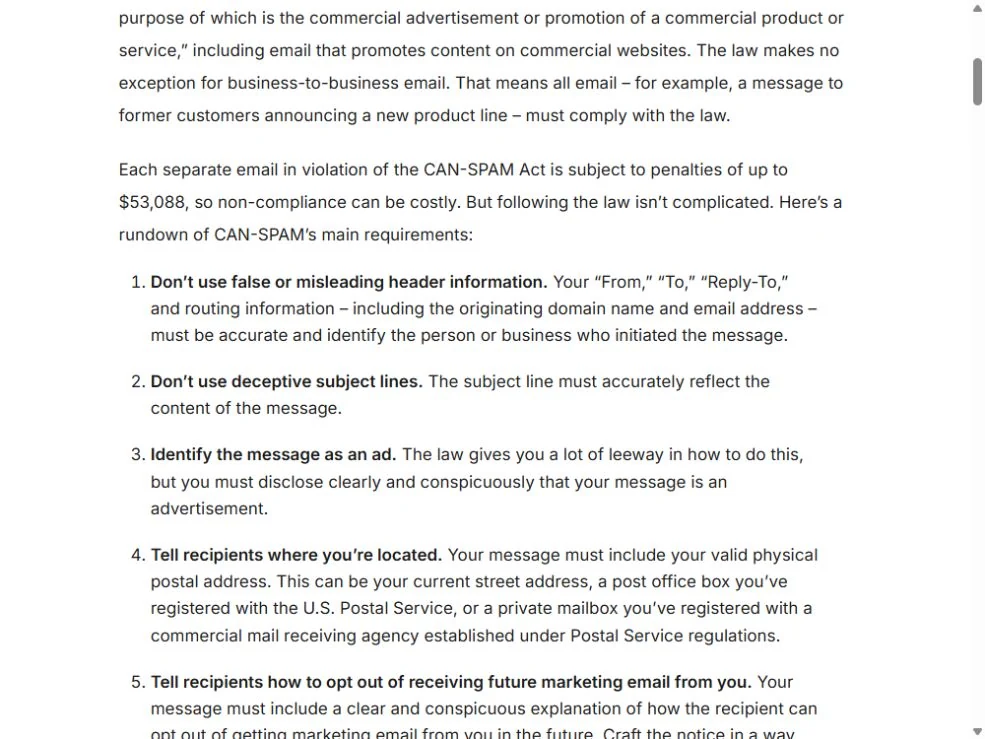
Share the sample, describe the specific task you can handle, and offer a straightforward way to discuss fit. Respect community posting rules and a person's request to stop contact. Before sending commercial email, review the FTC's CAN-SPAM guidance, including truthful message information, an appropriate postal address, and an opt-out method. Other jurisdictions can have additional requirements. A modest outreach plan still needs to respect the recipient's rights.
Learn from the first completed project
After delivery, record which parts matched the plan and which did not. Did the client provide the necessary information? Was your sample representative of the real work? Did revisions remain inside the stated scope? Those observations will help you improve the next package without assuming that every client's preferences are identical.
Ask for feedback about the deliverable and the process separately. A client may like the result while finding the intake confusing.
If the client agrees, request permission to use a factual testimonial or an anonymized example. Keep any permission with your project records. You can also strengthen your offer without publishing client material: a clearer checklist, better sample, or more accurate delivery estimate may solve the problem.
Choose one skill today and write a six-line service description using the package checklist. Then create the sample that proves you can deliver that specific result.