
Find Your First Online Customers With a Small, Focused Plan
Choose one relevant customer channel, contribute something useful, and track inquiries with a small follow-up plan rather than trying to be everywhere.
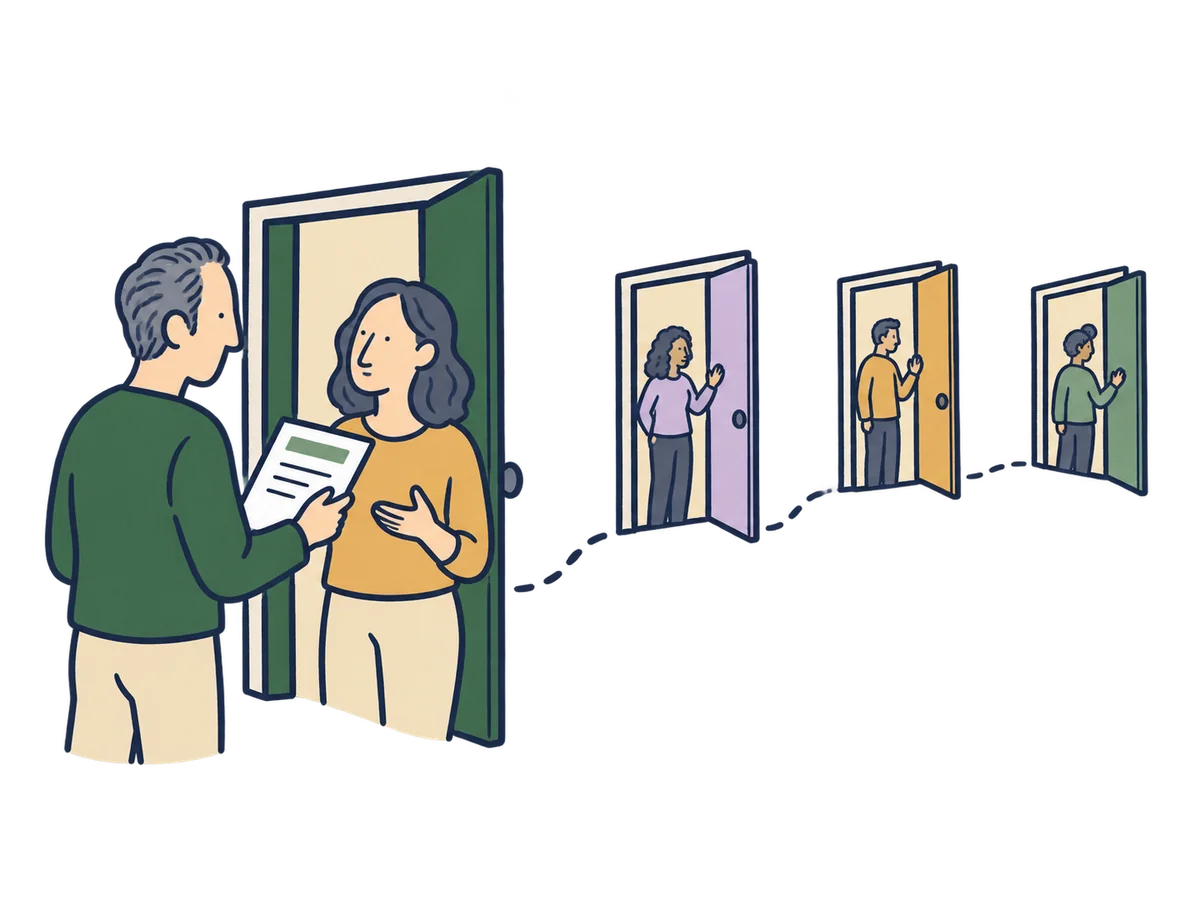
Your first customers are unlikely to appear because you post the same announcement everywhere. A more useful approach is to identify a group that needs your offer, choose one place you can reach that group, and have relevant conversations. The goal is to learn how suitable buyers make decisions while giving them a clear next step.
Keep the plan small enough to follow consistently. A manageable routine produces better information than an ambitious campaign you abandon after a few days.
Define who would benefit now
Describe the circumstances that make your offer useful. A freelance presentation service might fit a consultant preparing a workshop, while an expense-tracking template might fit a new business organizing its first month of records. Timing matters. Someone can belong to your target audience without needing your help this week, so look for a recognizable task or situation rather than a broad demographic label.
Write three signs of a good fit. They should describe a business need you can observe, not private characteristics you would have to guess.
For a hypothetical presentation service, the signs might be an upcoming workshop, a rough slide deck, and no internal designer. Those details help you decide where to look and what a useful conversation would cover. They also help you reject an unsuitable inquiry without turning every lead into a custom service.
Choose one channel you can maintain
Possible channels include professional communities, an existing network, a local organization's online group, a marketplace, or useful content on your own site. Compare them by audience relevance, participation rules, effort, and the way inquiries arrive. A channel that demands daily live interaction may not fit the same working routine as one where you can contribute thoughtful written responses.
Do not confuse channel size with opportunity. A small group discussing your exact customer problem can be more informative than a large audience with little connection to it.
Read the rules before promoting an offer. In a community, begin by understanding the questions people ask and the contributions they value. A marketplace has its own requirements and competition. Your existing contacts deserve the same clear explanation of the offer as a stranger, without assuming they owe you a purchase.
Make a useful first contribution
Show that you understand the task. That could mean answering a specific question, sharing a short checklist, or explaining a common mistake with a relevant example. The contribution should be complete enough to help even if nobody hires you. Avoid disguising an advertisement as independent advice or pushing a service into every discussion regardless of the question.
If promotion is permitted and relevant, connect the contribution to your offer briefly. Make the next step clear without inventing scarcity or a deadline.
A hypothetical message could say: "I help independent trainers turn rough slides into readable workshop presentations. Here is a fictional before-and-after sample. If you have an upcoming session and a draft deck, I can explain the scope and delivery options." Adapt the wording to your real service and the channel's rules.
Give inquiries a simple path
Decide what you need to assess fit: the task, current material, desired result, and timing. Ask those questions in a short message or form. Avoid requesting a large amount of private information before you know whether you can help. When the offer is unsuitable, explain the mismatch clearly instead of promising work outside your capabilities to preserve the lead.
Record each inquiry in a small tracking sheet so follow-up does not depend on remembering every conversation.
| Field | Useful entry |
|---|---|
| Contact date | When the inquiry arrived |
| Need | The actual task described |
| Fit | Suitable, uncertain, or unsuitable |
| Next action | Send scope, ask one question, or close |
| Agreed follow-up | A date or condition the person accepted |
Follow up without creating pressure
Ask whether the person wants a follow-up and what would be useful. They may be waiting for a document, a budget decision, or an event date. A relevant reminder responds to that situation. Repeated messages with no new information can become an interruption, especially when someone has already declined or requested no further contact.
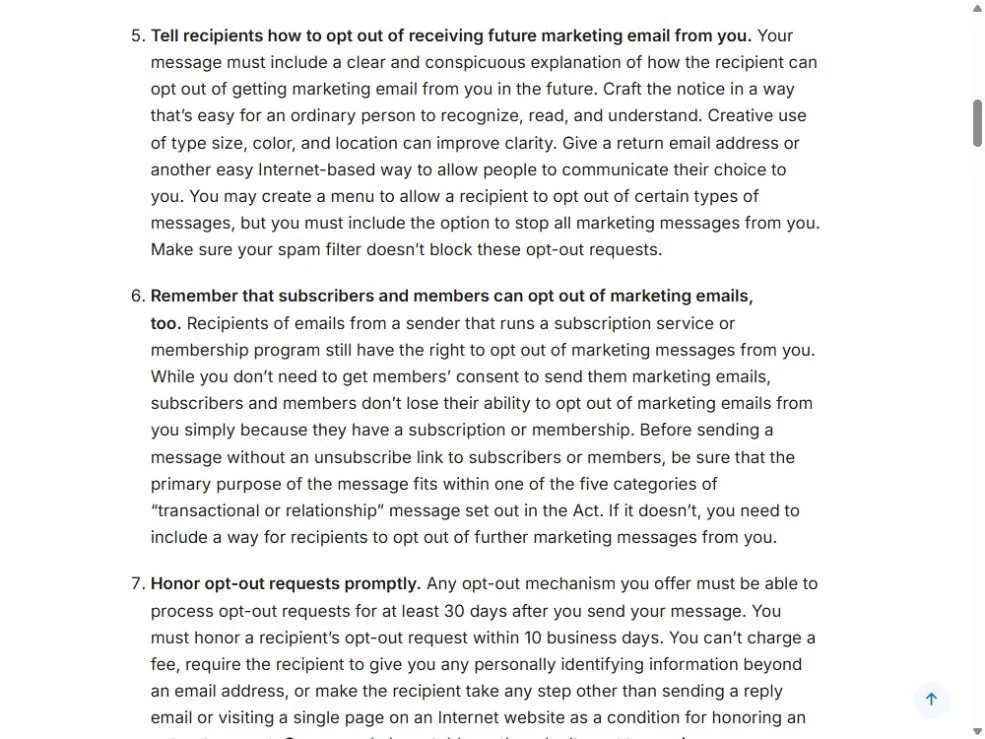
For commercial email, check the FTC's current CAN-SPAM guidance and any additional rules relevant to the recipient. A personalized message can still be commercial email.
Do not use a bought contact list as a substitute for understanding the audience. Contact details do not tell you whether the recipient has the problem, wants the message, or uses a platform that permits your planned approach. Keep the plan based on relevance and a legitimate contact method.
Measure the conversations that matter
Review suitable inquiries, requests for details, accepted proposals, completed projects, and repeat interest. Likes and impressions may explain reach, but they do not establish that a buyer understands your offer. If many people respond with the same question, your description may need clarification. If inquiries are consistently unsuitable, revise the audience or channel before increasing activity.
Record delivery fit as well as sales. A customer who buys the wrong package can consume more time than the revenue justifies.
Choose one channel, prepare one useful sample, and set a realistic participation routine for the next two weeks. At the end, review what you learned and change one part of the plan. A clear experiment gives you a better next move than trying to be everywhere at once.