
Start an Email List With a Clear Promise and Permission
Create an email list around a clear promise and suitable permission. Test signup, welcome delivery, and unsubscribe handling before adding complex automation.
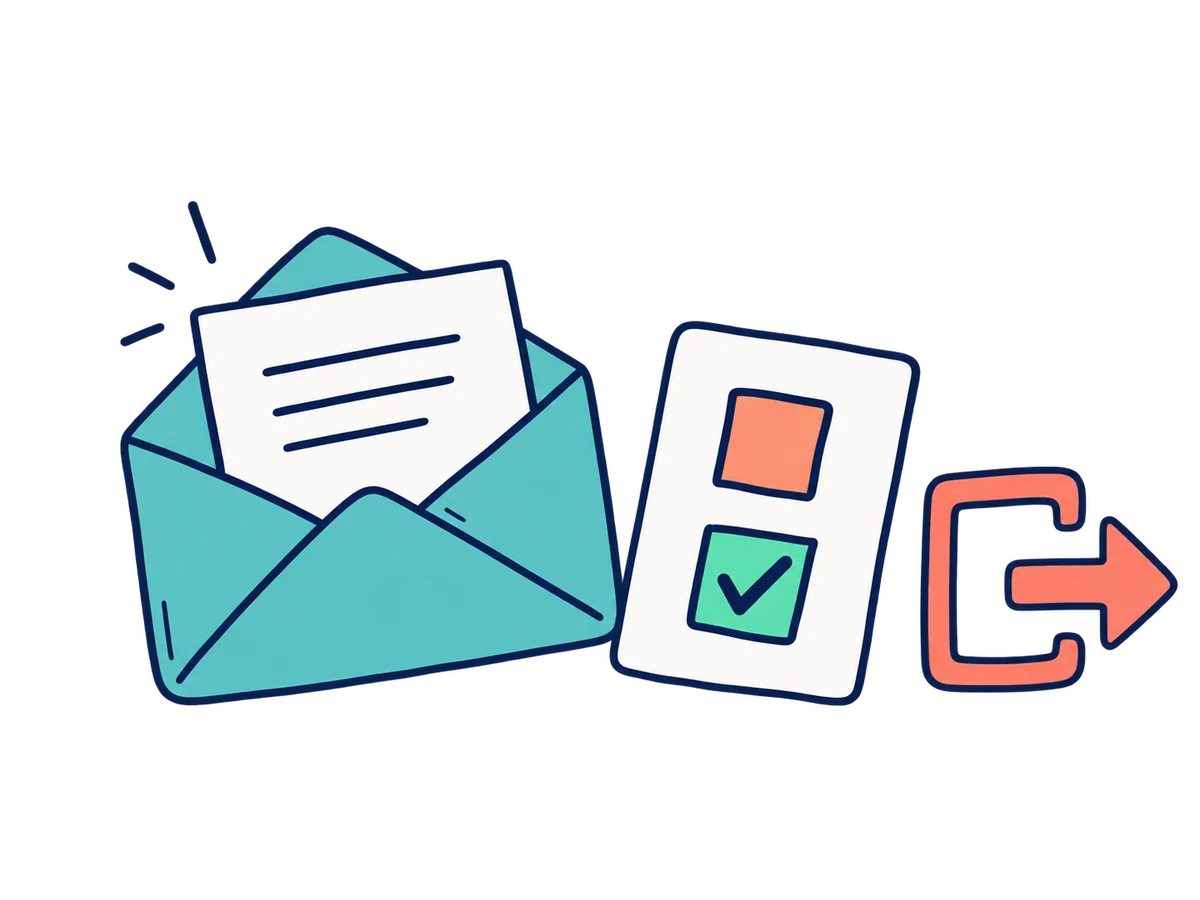
An email list gives interested people a way to hear from you again. It is useful when the messages continue to help with a problem they care about. Before selecting a provider or designing a signup form, decide what subscribers will receive and how often you can deliver it reliably.
A small, well-understood list is a workable starting point. Collecting more addresses does not improve the relationship if those people never agreed to the messages you plan to send.
Choose a reason to subscribe
Give the list a specific purpose. A business teaching practical website maintenance might send a monthly checklist and one explanation of a common issue. A freelance service could share examples that help clients prepare a project. The promise should describe something useful to the intended reader, rather than a general invitation to receive "updates" about whatever the business happens to publish.
Write the promise in one sentence. Make sure it names the subject, the type of help, and a realistic sending frequency.
You do not need a large free download to begin. A useful recurring message can be the offer itself. If you provide a resource for signing up, explain the associated marketing messages clearly. People should understand whether they are requesting a file, subscribing to an ongoing list, or doing both.
Use a provider suited to the first version
Compare providers according to the workflow you need now. Look at signup forms, consent records, unsubscribe handling, accessibility, contact limits, exports, and pricing at the size you expect to reach. Avoid choosing solely because a plan is free today. A change in contact count or an extra feature can change the cost of the same routine.
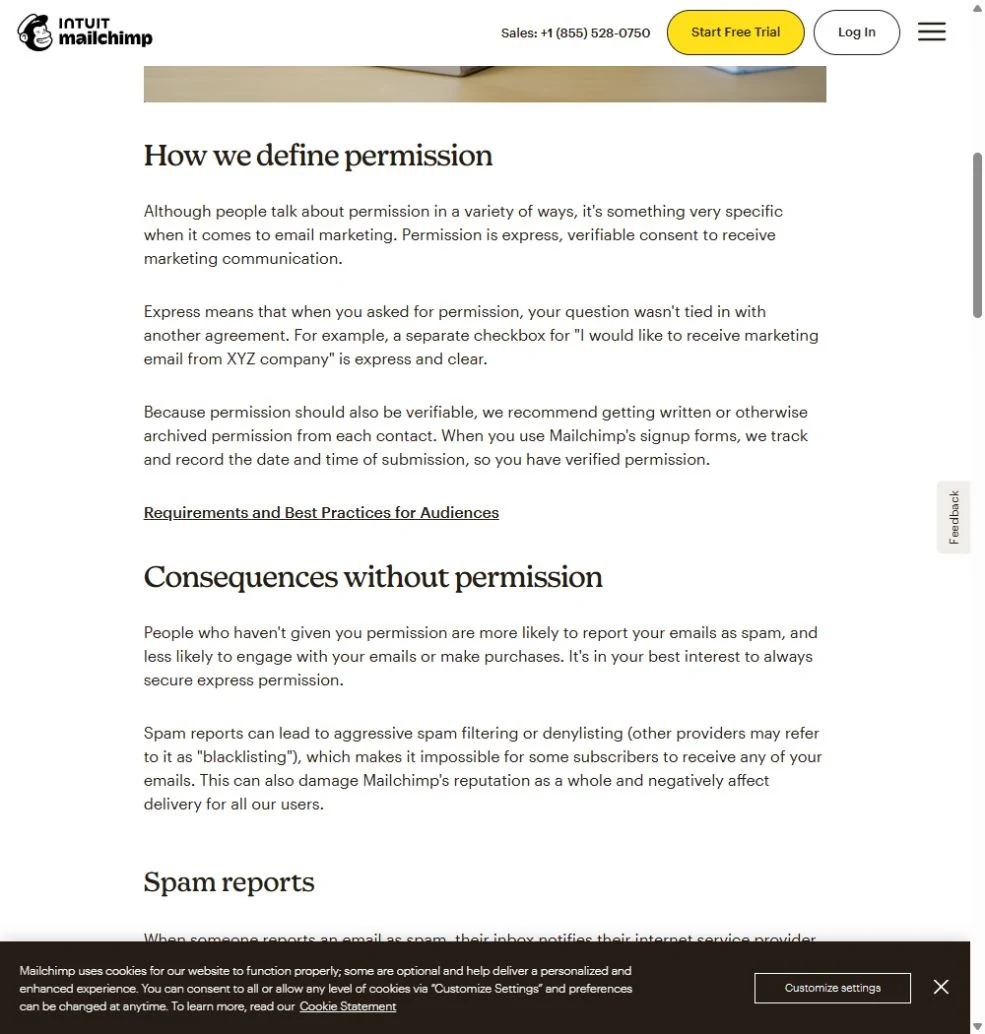
Check the official documentation for the provider's permission rules. These rules can be stricter than a minimum legal requirement.
For example, Mailchimp's permission guidance describes express, verifiable consent and explains that permission is required by its terms. Do not assume a purchased address list, a social media connection, or a past inquiry gives you permission to use that provider for recurring marketing.
Make the signup understandable
Put the promise beside the form. Ask for information you actually use, usually starting with the email address. A name may help personalize messages, but every additional field should have a purpose. Keep labels readable and error messages helpful. If someone enters an invalid address, explain what needs correcting without requiring them to guess which field caused the problem.
The signup button should describe the action. Wording such as "Get the monthly checklist" is clearer than an unrelated slogan.
Explain how subscribers can leave and link the relevant privacy information. Configure any confirmation step required by the provider or applicable rules. Test the entire signup using an address you control, including confirmation, resource delivery, and the first message. A visible form alone does not establish that the connection works.
Send a useful welcome message
The welcome should confirm what the person signed up for, deliver any promised resource, and explain what comes next. Keep it short enough that the practical information is easy to find. Use a sender name and address associated with the business, so the message does not appear to come from an unfamiliar person unrelated to the form.
Avoid immediately turning the welcome into a long sequence of promotions. First fulfill the promise that persuaded the person to join.
A hypothetical welcome might introduce a monthly spreadsheet tip, link the requested checklist, and explain that the next message will cover organizing receipts. That creates a clear expectation without pretending every subscriber has the same business needs. If you invite a reply, use a mailbox you actually check.
Prepare a sending rhythm you can maintain
Draft the first few messages before promoting the list widely. Each one should help with a specific task or decision. A simple structure can work: identify the problem, explain one useful action, show a small example, and point to a relevant resource. Let the details vary so the newsletter does not read like the same paragraph with a new topic inserted.
Choose a timetable around your ordinary capacity. Monthly messages can still be useful when they are relevant and dependable.
Keep commercial requirements in view. The FTC's CAN-SPAM guide addresses accurate sender information and subject lines, a valid postal address, and an effective opt-out process. Additional laws may apply depending on the audience. Use the provider's tools, but check that the final message and workflow meet the relevant requirements.
Evaluate responses without treating a list as a sales promise
Look at replies, useful link activity, unsubscribe patterns, and whether readers take the intended next step. An open-rate number is one signal rather than a complete account of attention or interest. Ask what the messages help readers do, and whether the subject matches the signup promise. A larger list does not automatically mean a more sustainable business.
Review problems separately. A confusing resource link needs a different fix from a newsletter that covers the wrong subject.
Honor unsubscribe choices and keep consent records organized. When you change the list's purpose substantially, reconsider what subscribers originally agreed to receive. The relationship should remain understandable as the business develops. Your next step is to write the signup promise and the first welcome message before spending time on a complicated automation sequence.