
Deliver Client Work With Clear Files, Feedback, and Boundaries
Create a clear client handoff with organized files, deliberate access, useful delivery notes, consolidated feedback, and an agreed revision process.
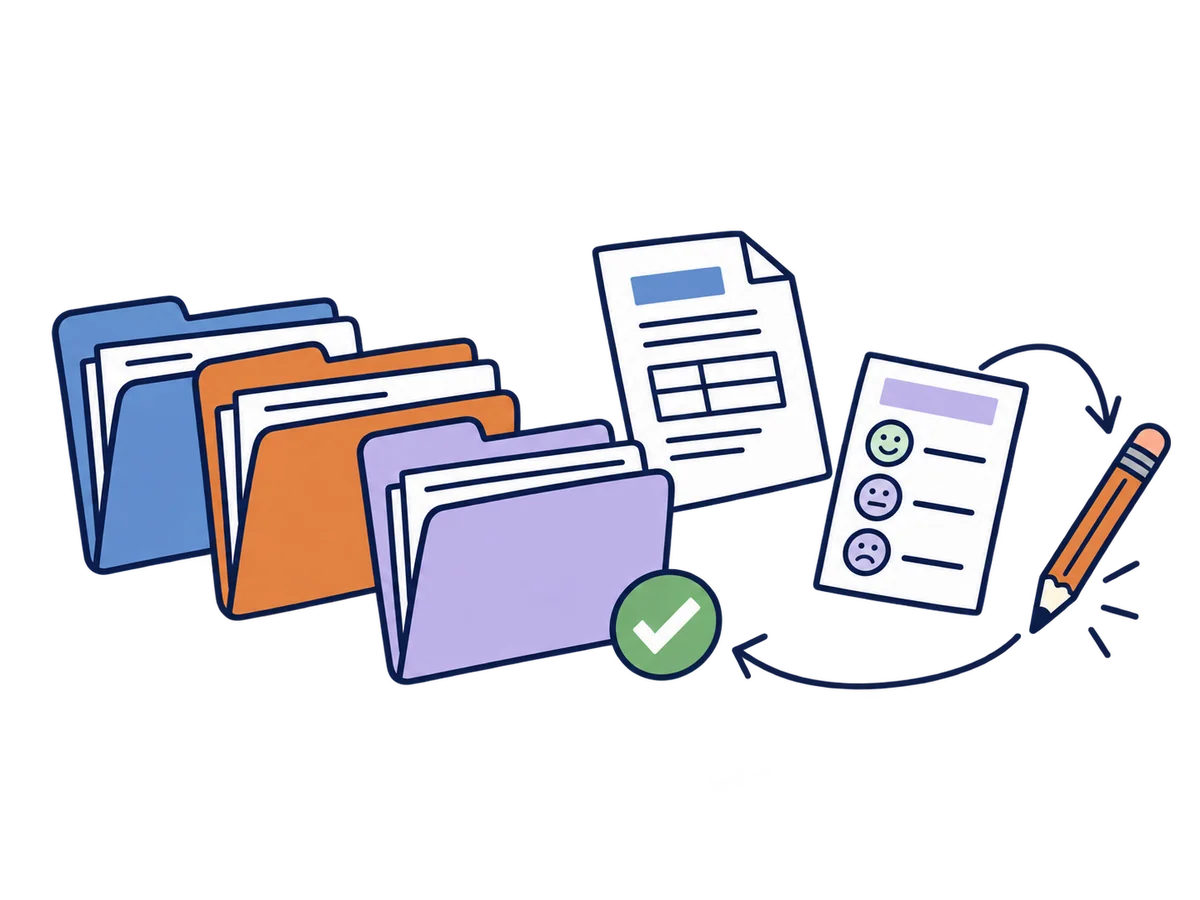
Good client delivery includes more than sending a finished file. The customer needs to know what they received, how to review it, what they can change, and what happens if something needs correction. A clear handoff reduces avoidable questions and makes the service easier to repeat without expanding every project beyond its original scope.
Design the delivery process before you take on several clients. It is easier to keep expectations consistent when the routine is already written down.
Start with an agreed definition of completion
Identify the output, format, scope, and review process before work begins. A hypothetical document-formatting package might include an editable document, a PDF preview, and one round of formatting corrections. It might exclude rewriting the underlying content. Those details help the customer judge the result and help you recognize when a request belongs to a different project.
Ask the client to confirm the necessary inputs and desired outcome. Do not start from assumptions when a short question could prevent substantial rework.
Keep the scope with the project record. If the customer later requests a new feature or a much larger file, refer to the agreed work and discuss the change separately. A useful boundary explains what you can deliver and under what conditions; it need not sound hostile or dismissive.
Organize files for the person receiving them
Use names that identify the project, document, and version. Distinguish a preview from an editable source file. Avoid several vaguely named files such as "final," "final-new," and "final-really." The recipient should be able to identify the current deliverable without opening every attachment. A short folder structure is often sufficient when the package contains only a few files.
For a hypothetical project, names such as "Workshop-Handout-Editable-v1" and "Workshop-Handout-Preview-v1" make the difference visible.
Open the exported files before delivery. Check that fonts, formulas, images, links, and page breaks behave as expected in the intended format. Remove test material and private notes that do not belong in the client's copy. Where software compatibility matters, check it against the requirements you discussed at the start.
Choose access deliberately
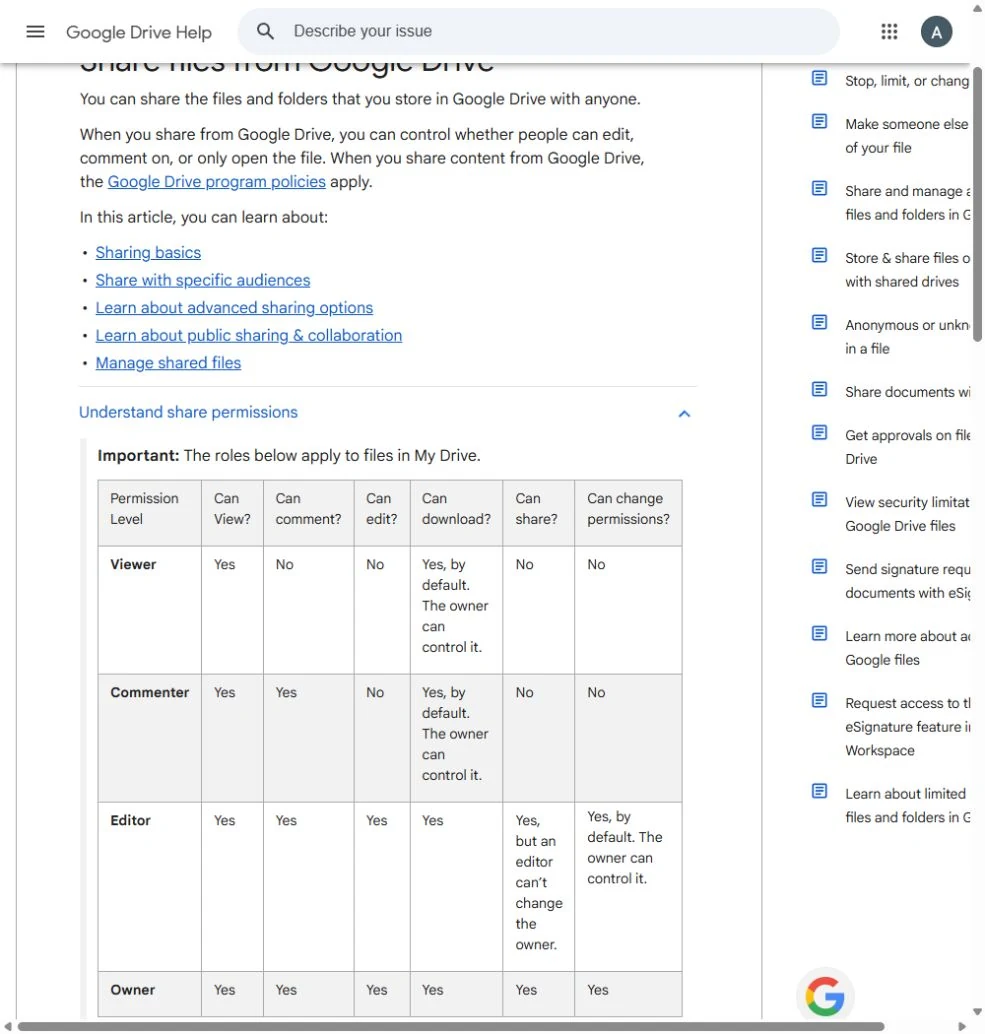
Decide whether the client needs a copy, viewing access, commenting access, or permission to edit the working file. These are different arrangements. For cloud delivery, check the actual service settings rather than assuming possession of a link gives the intended person the correct access. Also consider whether a containing folder grants broader access than the individual file appears to provide.
Google Drive's sharing guide explains viewer, commenter, and editor roles and how folder access can affect files. Use the appropriate role for the agreed workflow.
Test access using an appropriate method that does not expose the client's information. If a download is required, confirm that downloading is permitted. Avoid choosing public access merely because it is the quickest way to remove an access error. Resolve the intended recipient's permission instead.
Send a delivery note that answers the next questions
Describe the included files, the work completed, and any instructions needed to use the result. Explain where feedback should go and the agreed review window. Keep the note focused on the handoff rather than repeating the original sales pitch. The client should be able to return to this message later and find the practical instructions without searching through the whole project conversation.
A reusable delivery checklist helps prevent omissions:
- Identify the current files and their purpose.
- Link or attach the agreed deliverables.
- Explain necessary access or software requirements.
- Summarize relevant changes and limitations.
- State how to submit consolidated feedback.
- Restate the agreed revision scope and next step.
Adapt the checklist to the project. A simple proofreading handoff should not require the same instructions as an editable spreadsheet with protected formulas.
Keep feedback specific and consolidated
Ask the customer to identify the location, issue, and desired change. Comments in the document can help when that method suits the client; a numbered list may be easier in another situation. Choose an accessible method rather than insisting every person use the same interface. Consolidated feedback makes it easier to distinguish a correction from a new request.
Explain unclear feedback before applying it. A comment saying "make this better" needs more information than a request to increase heading contrast.
Review requests against the agreed scope. If a change is included, confirm the plan and completion time. If it adds new work, explain the difference and provide an appropriate option before proceeding. Avoid quietly completing unlimited changes and then trying to recover the cost with an unexpected invoice.
Close the project and improve the process
Record the final version, delivery date, feedback received, and agreed completion status. Keep records according to the business's stated retention arrangements and applicable requirements. Remove unnecessary copies from working locations when appropriate, without destroying records you need or files the customer expects you to maintain. The closeout should leave both sides clear about ongoing access and future support.
Then review what caused delays or confusion. A better intake question may prevent the same issue on the next project.
Create a delivery checklist for your smallest service package and test it with fictional files. Confirm that a recipient can identify the result, open it, understand the review process, and know what happens next. That is the foundation of a handoff you can repeat reliably.